




Dr. Dilip S. Kiyawat, Leading Spine & Neurosurgeon in the Field of Brain hemorrhage
Brain hemorrhage
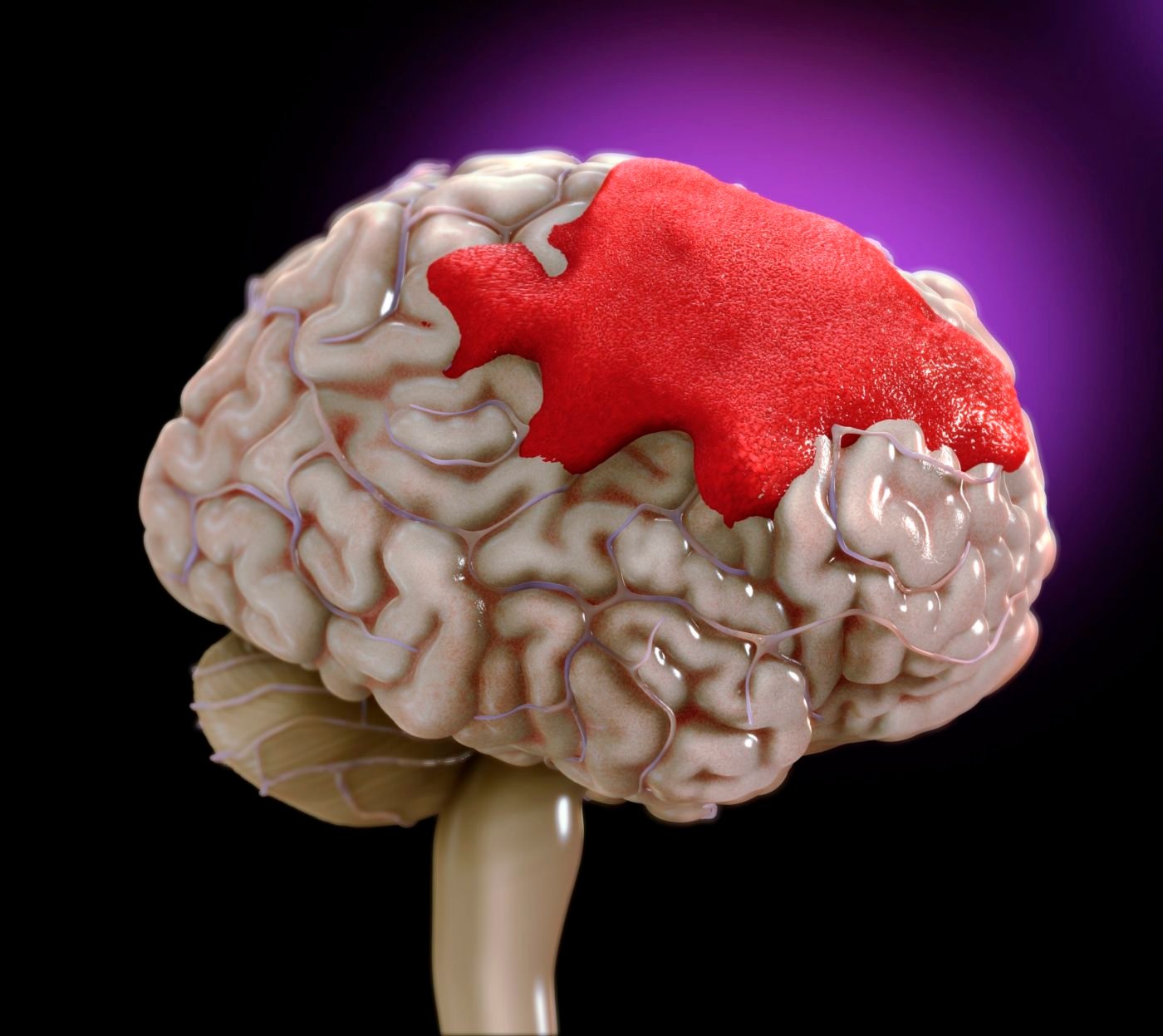
Brain haemorrhage, also known as spontaneous intracranial haemorrhage, is a medical emergency that occurs when there is bleeding within the brain substance or the surrounding structures without a history of trauma. This condition can have serious consequences, It is a life-threatening condition that requires a prompt medical intervention which is crucial to improving the prognosis for individuals who
experience this devastating event.
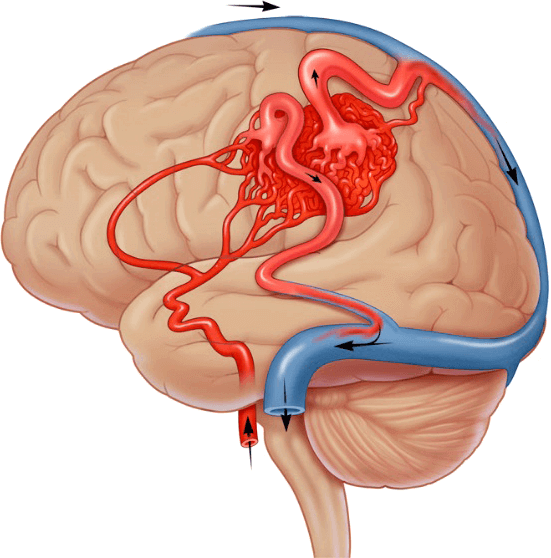
The commonest cause of spontaneous intracranial haemorrhage is high blood pressure followed by rupture of aneurysm, rupture of arteriovenous malformation, coagulation defects, and as a side effect of blood thinner medication consumption.
Diagnosis
There is a high clinical suspicion of brain haemorrhage when a person complains of sudden severe headache, vomiting, paralysis of one side of limbs or sudden altered consciousness. It is confirmed by a CT scan and MRI of the brain. Angiography of brain vessels is the gold standard investigation to diagnose the presence of an aneurysm or arteriovenous malformation as the cause of brain haemorrhage.
Symptoms
include sudden onset of headache, vomiting, altered consciousness, and paralysis of limbs. These symptoms vary in their severity depending on the size and location of the haemorrhage.
Surgery
Urgent surgical removal within hours of the onset of haemorrhage may improve paralysis dramatically in some patients. This can be achieved by stereotactic aspiration of a blood clot lodged in the brain or by doing a craniotomy (opening the skull). These patients need long-term physiotherapy and rehabilitation to achieve useful recovery.
Rehabilitation
Ongoing support for both the individual and their caregivers is important for the rehabilitation process.

brain haemorrhage Noted on the Right Side OF Brain
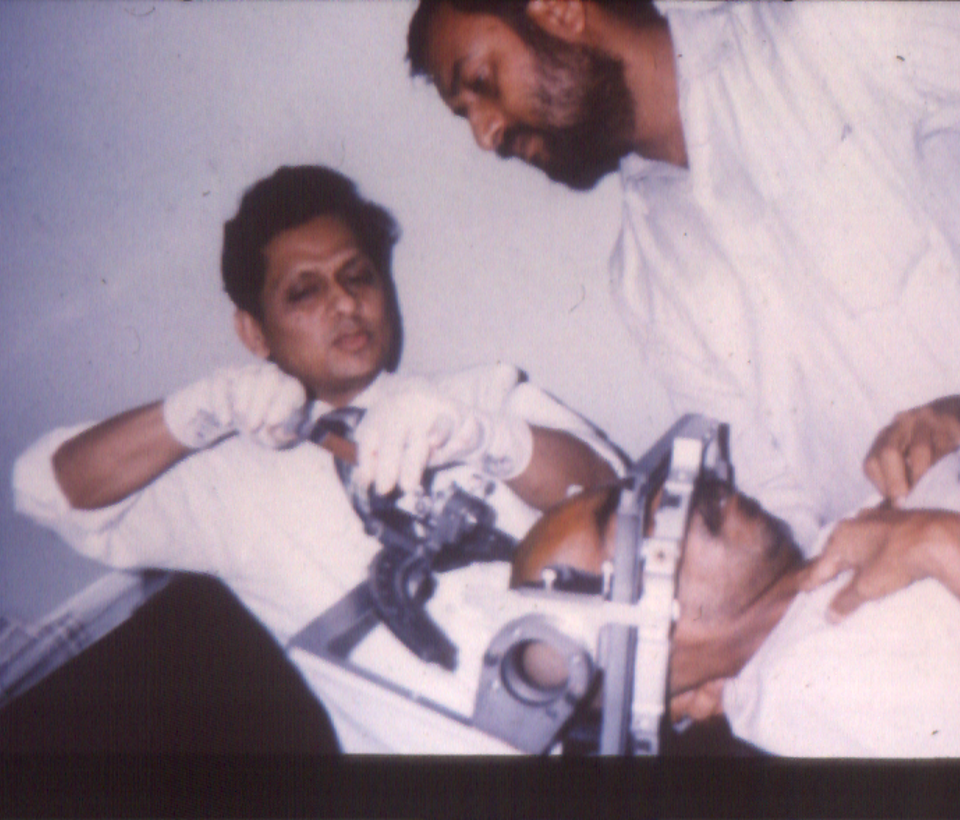
stereotactic aspiration of haemorrhage through a tiny burr hole
