




Brain surgery is a major medical procedure that can be life-saving and life-changing. While the surgery itself is an important step, proper recovery after brain surgery plays an equally crucial role in ensuring long-term health, safety, and quality of life. With the right care, guidance, and mindset, patients can recover faster and return to their daily routines with confidence.
Understanding Life After Brain Surgery
Every patient’s recovery journey after Best Brain surgeon in Pune. is unique. The healing process depends on several factors, including:
The type of brain surgery performed
The patient’s age and overall health
The underlying neurological condition
Post-operative care and lifestyle habits
Some patients may recover within weeks, while others may take a few months. The key is patience, consistency, and following medical advice carefully.
Quick Recovery Tips After Brain Surgery
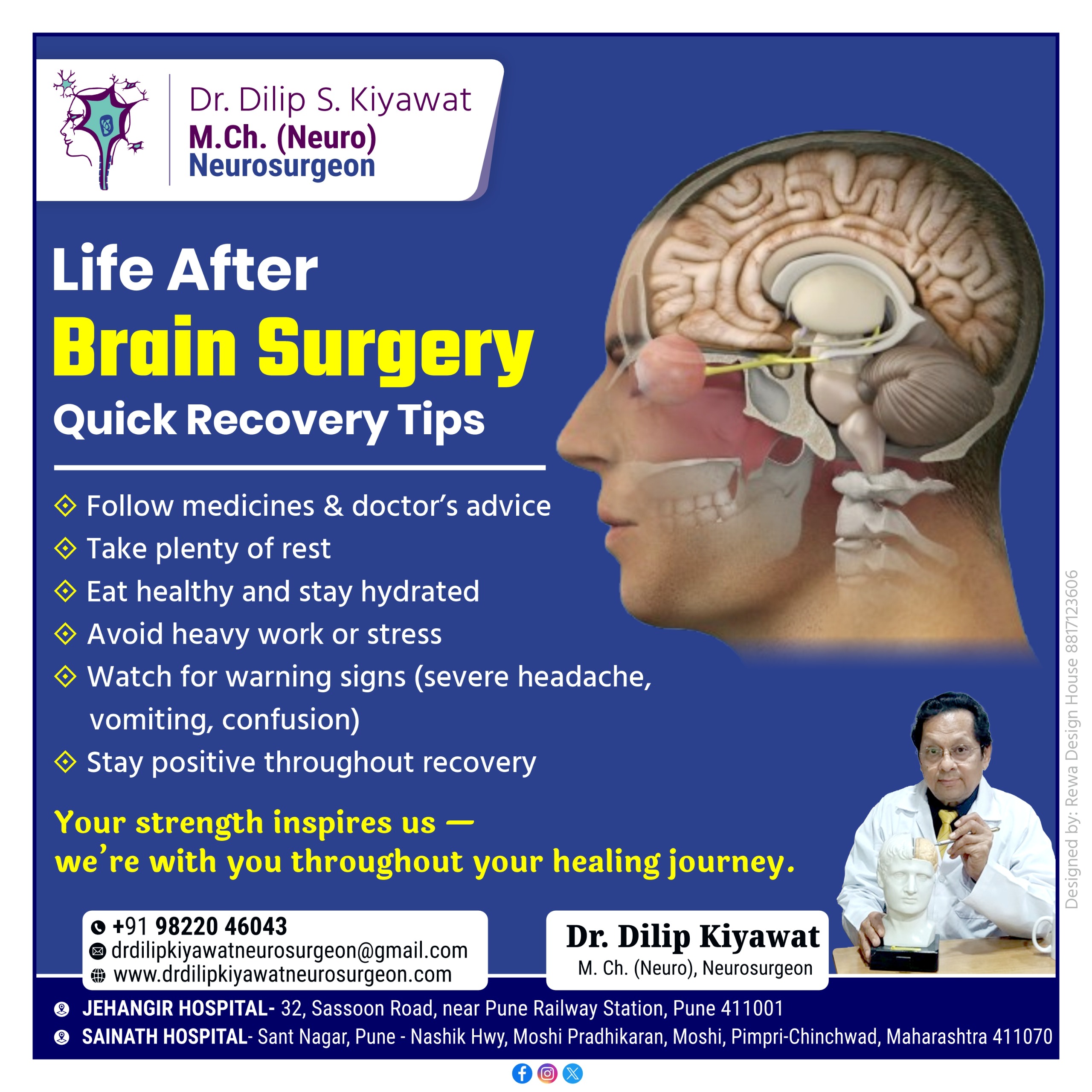
1. Follow Medicines and Doctor’s Advice Strictly
After surgery, medications are prescribed to prevent infection, reduce swelling, control pain, and avoid complications such as seizures.
✔ Take medicines exactly as prescribed
✔ Do not skip doses
✔ Never stop or change medication without consulting your neurosurgeon
Regular follow-up visits are essential to monitor healing and recovery progress.
2. Take Plenty of Rest
Rest is one of the most important elements of brain recovery. Your brain needs time to heal after surgery.
✔ Get adequate sleep
✔ Avoid physical and mental overexertion
✔ Take short naps if you feel tired
Listening to your body is vital during the recovery phase.
3. Eat Healthy and Stay Hydrated
A nutritious diet helps the body and brain heal faster.
✔ Include fresh fruits, vegetables, whole grains, and protein
✔ Avoid junk food and excess sugar
✔ Drink enough water throughout the day
Proper hydration helps maintain brain function and prevents fatigue and dizziness.
4. Avoid Heavy Work and Stress
After brain surgery, heavy physical work and mental stress should be avoided.
✔ Do not lift heavy objects
✔ Avoid strenuous exercise unless approved by your doctor
✔ Practice relaxation techniques like deep breathing or meditation
Stress can slow down healing, so maintaining a calm and positive environment is important.
5. Watch for Warning Signs
It is crucial to stay alert for any symptoms that may indicate complications. Contact your doctor immediately if you experience:
Severe or worsening headache
Repeated vomiting
Confusion or difficulty understanding
Sudden weakness or numbness
Seizures or loss of consciousness
Early medical attention can prevent serious complications.
6. Stay Positive Throughout Recovery
Mental strength plays a big role in physical healing.
✔ Stay optimistic
✔ Seek emotional support from family and friends
✔ Follow a gradual return to daily activities
A positive mindset can significantly improve recovery outcomes.
Emotional Support Matters
Recovery after brain surgery is not only physical but also emotional. Patients may experience mood changes, anxiety, or fear during recovery. Talking openly with loved ones and doctors helps reduce stress and builds confidence.
Your strength inspires us — we’re with you throughout your healing journey.
Expert Care by Dr. Dilip S. Kiyawat
Dr. Dilip S. Kiyawat, M.Ch. (Neuro), Neurosurgeon, is known for his expertise in diagnosing and treating complex brain and spine conditions. With a patient-centric approach and advanced neurosurgical care, he ensures safe treatment and comprehensive post-surgery guidance.
Final Thoughts
Life after brain surgery requires care, patience, and proper medical guidance. By following the right recovery steps and staying connected with an experienced neurosurgeon, patients can achieve a safer, faster, and healthier recovery.