



Dr. Dilip S. Kiyawat, Leading Spine & Neurosurgeon in the Field of MINIMALLY INVASIVE SPINE SURGERY
MINIMALLY INVASIVE SPINE SURGERY
Minimally invasive spine surgery (MISS) is a surgical approach that aims to minimize tissue damage, reduce recovery time, and decrease the risk of complications compared to traditional open spine surgery. This technique uses advanced technology and specialized instruments to perform surgery through small incisions, often using guidance from imaging techniques like fluoroscopy or endoscopy. MISS is used to treat various spine conditions, including herniated discs, spinal stenosis, degenerative disc disease, and spinal instability.
Causes
Minimally invasive spine surgery is not a cause itself but a treatment approach for various spinal conditions.
Symptoms
The decision for surgery is usually based on the severity of symptoms, failed conservative treatments, and the specific diagnosis.
Treatment
MISS involves the use of specialized instruments and advanced imaging techniques to perform surgery through small incisions.
Rehabilitation
Rehabilitation after minimally invasive spine surgery is typically faster compared to traditional surgery.
Minimally invasive spine surgery
Surgery
Minimally invasive procedures are performed through small incisions.
Physical Therapy
Rehabilitation often involves physical therapy to aid in the recovery of strength and flexibility.
Postoperative Care
Patient is mobilized within a few hours after surgery
Gradual Return to Activities
Patients are encouraged to gradually return to normal activities as advised by their healthcare team.
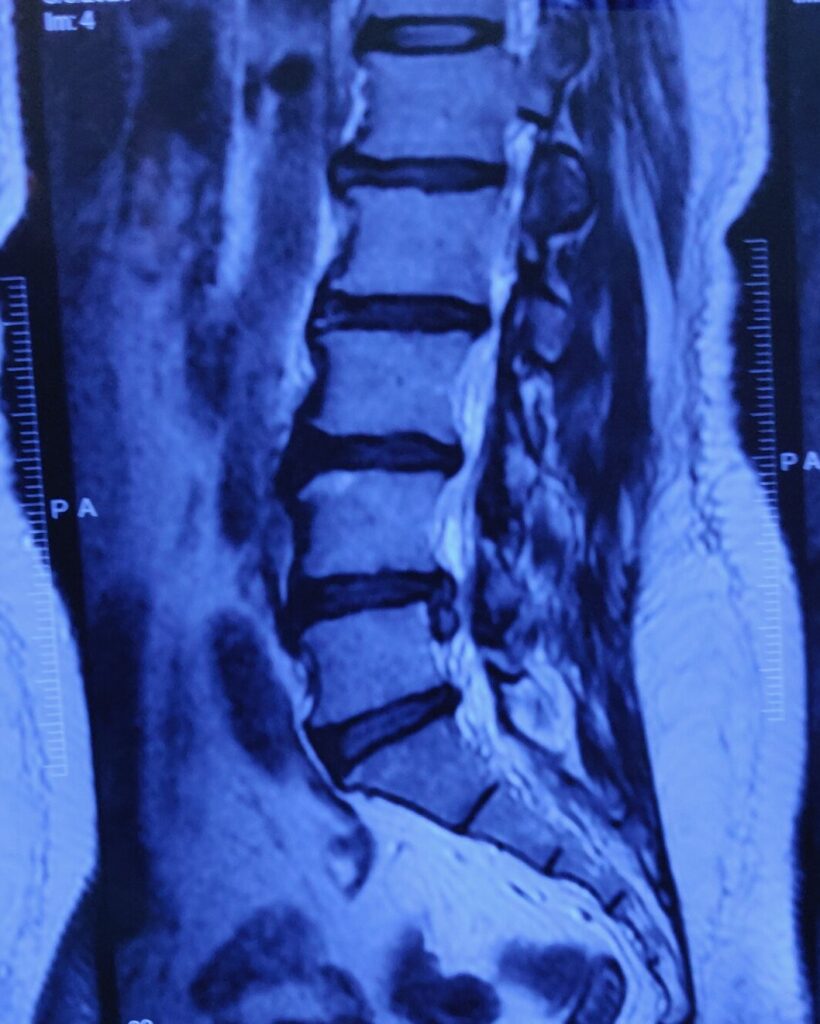
l4/l5 disc prolapse
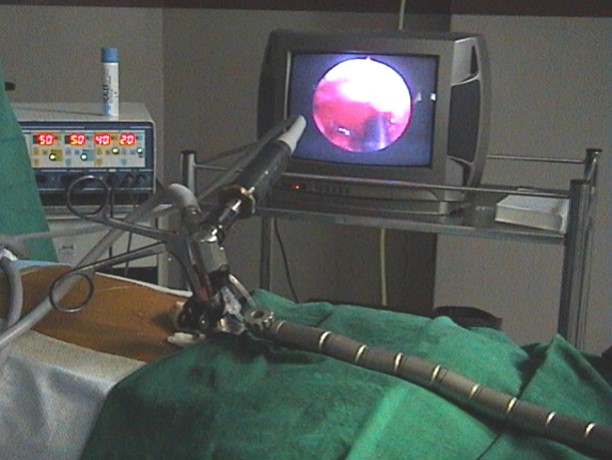
Operation Theatre View Of Minimally Invasive Surgery
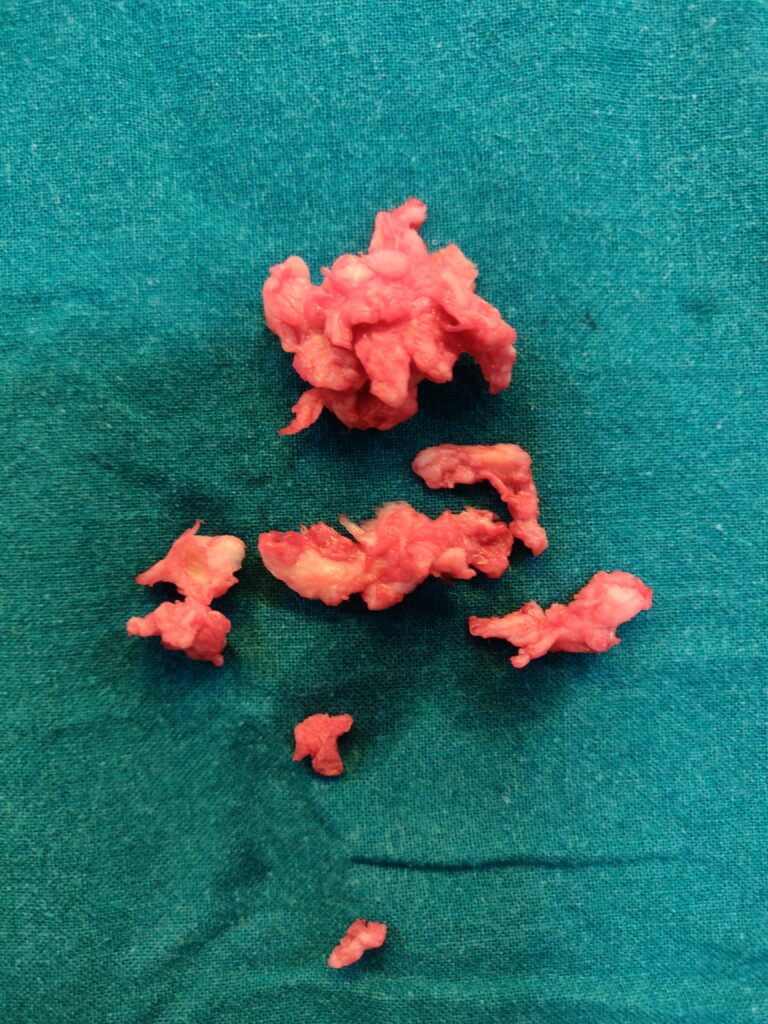
lumbar disc Removed through endoscopy