



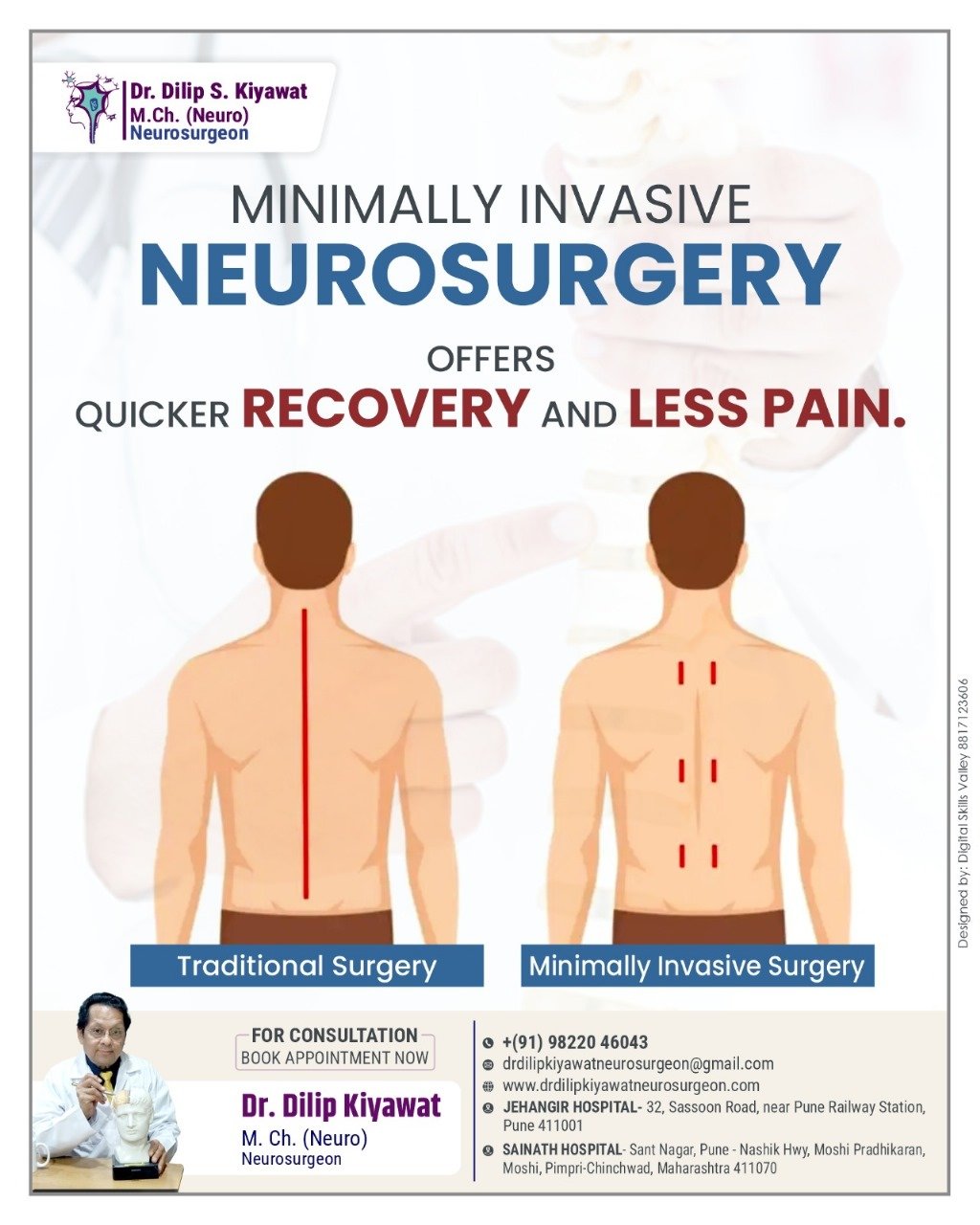
When it comes to neurosurgery, advancements in medical technology have paved the way for less invasive procedures that offer numerous benefits over traditional surgery. Dr. Dilip Kiyawat, a renowned neurosurgeon in Pune, specializes in minimally invasive neurosurgery, which has transformed the landscape of brain and spine treatments. This blog will delve into the advantages of minimally invasive neurosurgery, Dr. Dilip Kiyawat ‘s expertise, and how you can benefit from these cutting-edge procedures.
What is Minimally Invasive Neurosurgery?
Minimally invasive neurosurgery involves performing surgical procedures through small incisions, using specialized instruments and advanced imaging techniques. This approach contrasts with traditional neurosurgery, which often requires larger incisions and more extensive tissue dissection. The primary goal of minimally invasive surgery is to minimize damage to surrounding tissues, reduce recovery times, and decrease the risk of complications.
Advantages of Minimally Invasive Neurosurgery
1. Quicker Recovery
One of the most significant benefits of minimally invasive neurosurgery is the reduced recovery time. Patients can often return to their normal activities much sooner than those who undergo traditional surgery. Smaller incisions mean less tissue damage and, consequently, less time for the body to heal. This expedited recovery is particularly important for individuals who need to resume their daily routines quickly.
2. Less Pain
Minimally invasive procedures typically result in less postoperative pain. The smaller incisions and reduced tissue manipulation lead to less trauma, which means patients experience less discomfort during their recovery. This reduction in pain not only improves the overall patient experience but also decreases the need for pain medications, reducing the risk of dependency and side effects.
3. Reduced Risk of Complications
Smaller incisions and less tissue disruption mean a lower risk of complications such as infections, blood loss, and scarring. Minimally invasive techniques also allow for more precise targeting of the affected area, reducing the likelihood of damage to surrounding healthy tissues. This precision is crucial in neurosurgery, where delicate structures like nerves and blood vessels are often involved.
4. Improved Cosmetic Outcomes
The smaller incisions used in minimally invasive neurosurgery result in smaller scars, which are less noticeable and more aesthetically pleasing. For patients concerned about the cosmetic aspects of surgery, this is a significant advantage.
5. Shorter Hospital Stays
Patients undergoing minimally invasive neurosurgery often require shorter hospital stays compared to those who have traditional surgery. This not only reduces healthcare costs but also minimizes the risk of hospital-acquired infections and other complications associated with prolonged hospital stays.
Dr. Dilip Kiyawat: Expertise in Minimally Invasive Neurosurgery
Dr. Dilip Kiyawat, M.Ch. (Neuro), is a highly respected neurosurgeon based in Pune, known for his expertise in minimally invasive neurosurgery. With extensive training and experience, Dr. Dilip Kiyawat is dedicated to providing the highest standard of care to his patients. He specializes in a range of neurosurgical procedures, including those for brain and spine conditions, using minimally invasive techniques to ensure the best possible outcomes.
Areas of Specialization
Dr. Dilip Kiyawat’s areas of specialization include:
- Brain Surgery: Treating conditions such as brain tumors, aneurysms, and traumatic brain injuries with minimally invasive approaches.
- Spine Surgery: Addressing issues like herniated discs, spinal stenosis, and spinal tumors using advanced techniques that minimize tissue damage and promote quicker recovery.
- Neurotrauma: Managing traumatic injuries to the brain and spine with a focus on rapid intervention and minimally invasive methods.
- Degenerative Spine Disorders: Providing relief from conditions like degenerative disc disease and spondylolisthesis through minimally invasive spine surgery.
Patient-Centered Approach
Dr. Dilip Kiyawat believes in a patient-centered approach to care, emphasizing clear communication, personalized treatment plans, and compassionate support throughout the surgical journey. He understands that undergoing neurosurgery can be a daunting experience, and he is committed to ensuring that his patients feel informed, comfortable, and confident in their treatment decisions.
Booking an Appointment
For consultations and appointments, you can reach Dr. Dilip Kiyawat through the following contact details:
Phone: +91 9822046043
Email: drdilipkiyawatneurosurgeon@gmail.com
Website: www.drdilipkiyawatneurosurgeon.com
Jehangir Hospital:
Address: 32, Sassoon Road, near Pune Railway Station, Pune 411001
Sainath Hospital
Address: Sant Nagar, Pune – Nashik Hwy, Moshi Pradhikaran, Moshi, Pimpri-Chinchwad, Maharashtra 411070
Conclusion
Minimally invasive neurosurgery offers numerous benefits, including quicker recovery times, less pain, reduced risk of complications, improved cosmetic outcomes, and shorter hospital stays. Dr. Dilip Kiyawat’s expertise in this field ensures that patients receive the highest quality of care, tailored to their specific needs.
If you or a loved one is facing a neurosurgical condition, consider the advantages of minimally invasive surgery with Dr. Dilip Kiyawat. With his patient-centered approach and commitment to excellence, you can trust that you are in capable hands.