Office Address

Railway Station, 32, Sasoon Rd, near Pune, Central Excise Colony, Sangamvadi, Pune, Maharashtra 411001

Phone Number

+91 98220 46043

+91 98220 46043

Email Address

infodrdilipkiyawatneurosurgeon@gmail.com

drdilipkiyawatneurosurgeon@gmail.com

 Neck pain is a common problem that many people experience due to poor posture, prolonged computer use, aging, or injury. While mild neck pain often improves with rest, persistent pain accompanied by numbness, tingling, or weakness may indicate a cervical disc prolapse (slipped disc in the neck). If left untreated, it can compress the spinal nerves or spinal cord, leading to permanent nerve damage.

Cervical Disc Prolapse: When to See a Doctor | Dr. Dilip S. Kiyawat Pune

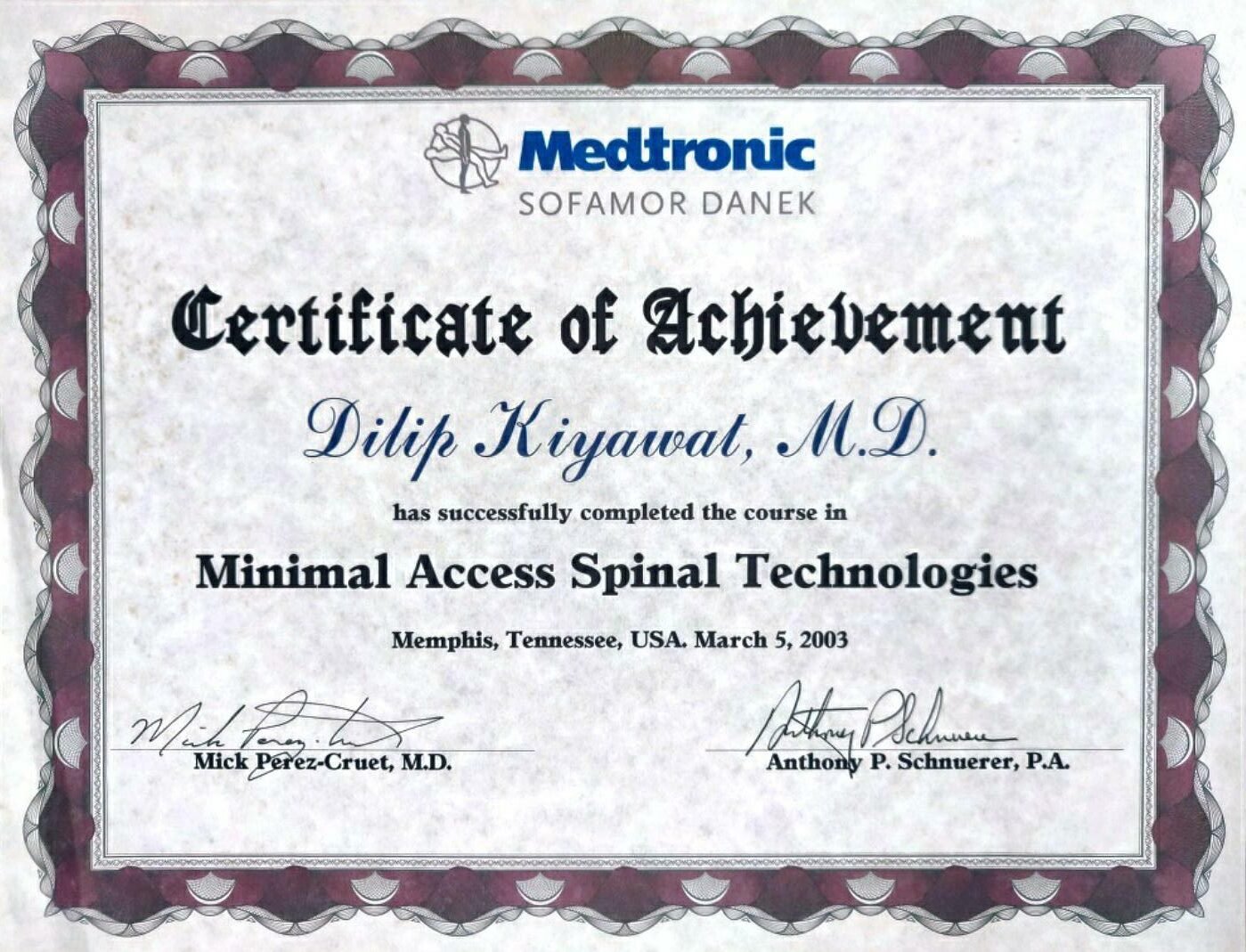
If you are experiencing ongoing neck pain or neurological symptoms, consult Dr. Dilip S. Kiyawat, an experienced Neurosurgeon in Pune, for expert diagnosis and advanced cervical spine treatment.

What is Cervical Disc Prolapse?

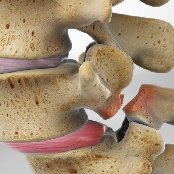
A cervical disc prolapse occurs when one of the cushioning discs between the neck vertebrae bulges or ruptures, putting pressure on nearby nerves or the spinal cord. This condition is also known as:

Cervical Herniated Disc

Slipped Disc in the Neck

Cervical Disc Herniation

The condition can cause severe neck pain and radiating pain into the shoulders, arms, and hands.

Causes of Cervical Disc Prolapse

Several factors can contribute to a cervical disc prolapse, including:

Age-related disc degeneration

Poor posture

Long hours of desk work

Heavy lifting

Sudden neck injury

Road traffic accidents

Sports injuries

Repetitive neck movements

Obesity

Smoking

Symptoms of Cervical Disc Prolapse

Symptoms vary depending on the severity of nerve compression.

1. Persistent Neck Pain

Pain that lasts for several days or weeks and worsens with movement should not be ignored.

2. Pain Radiating to the Arm

One of the most common symptoms is pain that starts in the neck and travels to:

Shoulder

Arm

Forearm

Hand

Fingers

3. Numbness or Tingling

Compression of cervical nerves can cause:

Tingling in fingers

Numbness in the hand

Loss of sensation

Burning sensation

4. Weakness in the Arm or Hand

Patients may notice:

Difficulty lifting objects

Weak grip strength

Arm weakness

Muscle weakness

5. Difficulty Gripping Objects

If everyday tasks such as holding a cup, writing, or opening a bottle become difficult, nerve compression may be affecting hand function.

6. Severe Pain Lasting for Weeks

Persistent pain despite medication or physiotherapy should be evaluated by a neurosurgeon.

When Should You See a Doctor?

Consult a neurosurgeon immediately if you experience:

Neck pain lasting more than two weeks

Pain radiating to the arm

Numbness in fingers

Tingling sensation

Weakness in the hand

Difficulty gripping objects

Balance problems

Difficulty walking

Loss of bladder or bowel control (medical emergency)

Early consultation can prevent permanent nerve damage.

Diagnosis of Cervical Disc Prolapse

To accurately diagnose the condition, your doctor may recommend:

Neurological Examination

MRI Cervical Spine

CT Scan

Digital X-rays

Muscle strength testing

Reflex examination

An MRI is the most effective imaging test to assess disc prolapse and nerve compression.

Treatment Options for Cervical Disc Prolapse

Treatment depends on the severity of symptoms.

Conservative Treatment

Most patients improve with non-surgical treatment, including:

Pain-relieving medications

Anti-inflammatory medicines

Muscle relaxants

Physiotherapy

Neck exercises

Cervical collar (if recommended)

Lifestyle modifications

Minimally Invasive Spine Surgery

Surgery may be recommended if:

Symptoms persist despite conservative treatment

Progressive weakness develops

Severe nerve compression is present

Spinal cord compression is detected

Modern minimally invasive spine surgery offers:

Smaller incisions

Less pain

Faster recovery

Shorter hospital stay

How to Prevent Cervical Disc Problems

You can reduce your risk by:

Maintaining good posture

Taking breaks during computer work

Exercising regularly

Avoiding heavy lifting

Using an ergonomic chair

Sleeping with proper neck support

Maintaining a healthy weight

Why Choose Dr. Dilip S. Kiyawat for Cervical Disc Treatment in Pune?

Experienced M.Ch. Neurosurgeon

Expertise in Cervical Spine Surgery

Advanced Diagnostic Facilities

Personalized Treatment Plans

Minimally Invasive Spine Surgery

Comprehensive Rehabilitation Support

Dr. Dilip S. Kiyawat provides evidence-based treatment to help patients relieve pain, restore mobility, and return to normal activities.

Conclusion

Persistent neck pain should never be ignored, especially when accompanied by arm pain, numbness, tingling, or weakness. These symptoms may indicate a cervical disc prolapse that requires timely evaluation and treatment. Early diagnosis can prevent permanent nerve damage and improve recovery.

If you are looking for Cervical Disc Prolapse Treatment in Pune, schedule a consultation with Dr. Dilip S. Kiyawat, an experienced neurosurgeon dedicated to providing advanced spine care.

भाषा चुनें »