Office Address

Railway Station, 32, Sasoon Rd, near Pune, Central Excise Colony, Sangamvadi, Pune, Maharashtra 411001

Phone Number

+91 98220 46043

+91 98220 46043

Email Address

infodrdilipkiyawatneurosurgeon@gmail.com

drdilipkiyawatneurosurgeon@gmail.com

 OPLL (Ossification of Posterior Longitudinal Ligament) is a progressive spinal disorder in which the ligament running along the back of the spinal vertebrae gradually hardens and turns into bone. As this abnormal bone formation increases, it can compress the spinal cord and nerves, leading to neurological symptoms and mobility issues.

Early diagnosis and timely treatment are essential to prevent permanent nerve damage and maintain quality of life. Dr. Dilip S. Kiyawat, M.Ch. (Neuro), Neurosurgeon, provides expert evaluation and treatment for OPLL and other complex spinal disorders in Pune.

What is OPLL?

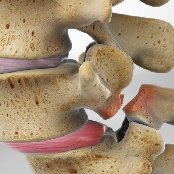
The Posterior Longitudinal Ligament (PLL) is a strong ligament located inside the spinal canal that helps stabilize the spine. In OPLL, this ligament gradually undergoes calcification and ossification (bone formation), causing narrowing of the spinal canal.

As the condition progresses, pressure is placed on the spinal cord and nerve roots, resulting in pain, weakness, and neurological deficits.

OPLL most commonly affects the cervical spine (neck region) but can also occur in the thoracic and lumbar spine.

Causes and Risk Factors of OPLL

Although the exact cause of OPLL is not fully understood, several factors may contribute to its development:

Genetic Factors

A family history of OPLL may increase the risk.

Age-Related Changes

The condition is more common in middle-aged and older adults.

Metabolic Disorders

Certain metabolic and hormonal conditions may be associated with ligament ossification.

Diabetes

Studies suggest a higher prevalence of OPLL among diabetic patients.

Chronic Spinal Stress

Long-term mechanical stress on the spine may contribute to ligament changes.

Symptoms of OPLL

Symptoms develop gradually as spinal cord compression increases.

Neck Pain and Stiffness

One of the earliest symptoms includes:

Chronic neck pain

Neck stiffness

Reduced neck mobility

Numbness or Weakness

Compression of nerves can cause:

Numbness in hands and fingers

Tingling sensations

Weakness in arms and legs

Reduced grip strength

Balance Problems

As spinal cord compression worsens, patients may experience:

Loss of coordination

Unsteady walking

Difficulty maintaining balance

Frequent falls

Walking Difficulty

Advanced OPLL can affect lower limb function, resulting in:

Difficulty walking

Leg weakness

Spastic gait

Reduced mobility

When Should You Consult a Neurosurgeon?

Seek immediate medical evaluation if you experience:

Persistent neck pain

Progressive numbness

Weakness in limbs

Difficulty walking

Balance disturbances

Loss of hand coordination

Early diagnosis can help prevent irreversible neurological damage.

Diagnosis of OPLL

Accurate diagnosis is essential for planning treatment.

Clinical Neurological Examination

A detailed assessment of:

Muscle strength

Reflexes

Sensory function

Balance and coordination

X-Ray

Helps identify abnormal bone formation along spinal ligaments.

MRI Scan

Provides detailed visualization of:

Spinal cord compression

Nerve involvement

Severity of stenosis

CT Scan

Often considered the gold standard for confirming ossification and evaluating its extent.

Treatment Options for OPLL

Treatment depends on the severity of symptoms and degree of spinal cord compression.

Conservative Management

Mild cases may be managed with:

Medications

Physical therapy

Activity modification

Regular monitoring

However, conservative treatment cannot reverse the ossified ligament.

Surgical Treatment

When neurological symptoms progress or significant spinal cord compression is present, surgery may be recommended.

Goals of Surgery

Relieve pressure on the spinal cord

Prevent further neurological deterioration

Improve mobility and function

Reduce pain and disability

Surgical Procedures May Include:

Decompression surgery

Cervical laminoplasty

Laminectomy

Spinal stabilization and fusion procedures

The choice of surgery depends on the location and severity of OPLL.

Why Early Diagnosis Matters

Delayed treatment can lead to:

Permanent nerve damage

Progressive weakness

Walking disability

Loss of bladder or bowel control

Reduced quality of life

Early diagnosis and intervention significantly improve long-term outcomes.

Why Choose Dr. Dilip S. Kiyawat?

Experienced Neurosurgeon

Specialized expertise in brain and spine disorders.

Advanced Diagnostic Evaluation

Comprehensive neurological assessment and imaging review.

Personalized Treatment Plans

Tailored management strategies for every patient.

Modern Surgical Techniques

Evidence-based treatment approaches for complex spinal conditions.

Patient-Focused Care

Dedicated support throughout diagnosis, treatment, and recovery.

Prevention and Spine Health Tips

While OPLL cannot always be prevented, maintaining spinal health is important:

✔ Maintain good posture
✔ Exercise regularly
✔ Control diabetes and metabolic conditions
✔ Avoid smoking
✔ Maintain a healthy weight
✔ Seek medical attention for persistent neurological symptoms

Conclusion

Ossification of Posterior Longitudinal Ligament (OPLL) is a potentially serious spinal condition that can cause spinal cord compression, neurological symptoms, and mobility issues if left untreated. Symptoms such as neck pain, numbness, weakness, balance problems, and walking difficulty should never be ignored.

Dr. Dilip S. Kiyawat, Neurosurgeon in Pune, offers expert diagnosis and advanced treatment options for OPLL and other spine disorders. With timely intervention and specialized care, patients can protect their neurological function and improve their quality of life.

If you or a loved one is experiencing symptoms of OPLL, schedule a consultation with Dr. Dilip S. Kiyawat for comprehensive spine and neurosurgical care.

भाषा चुनें »